 by
by 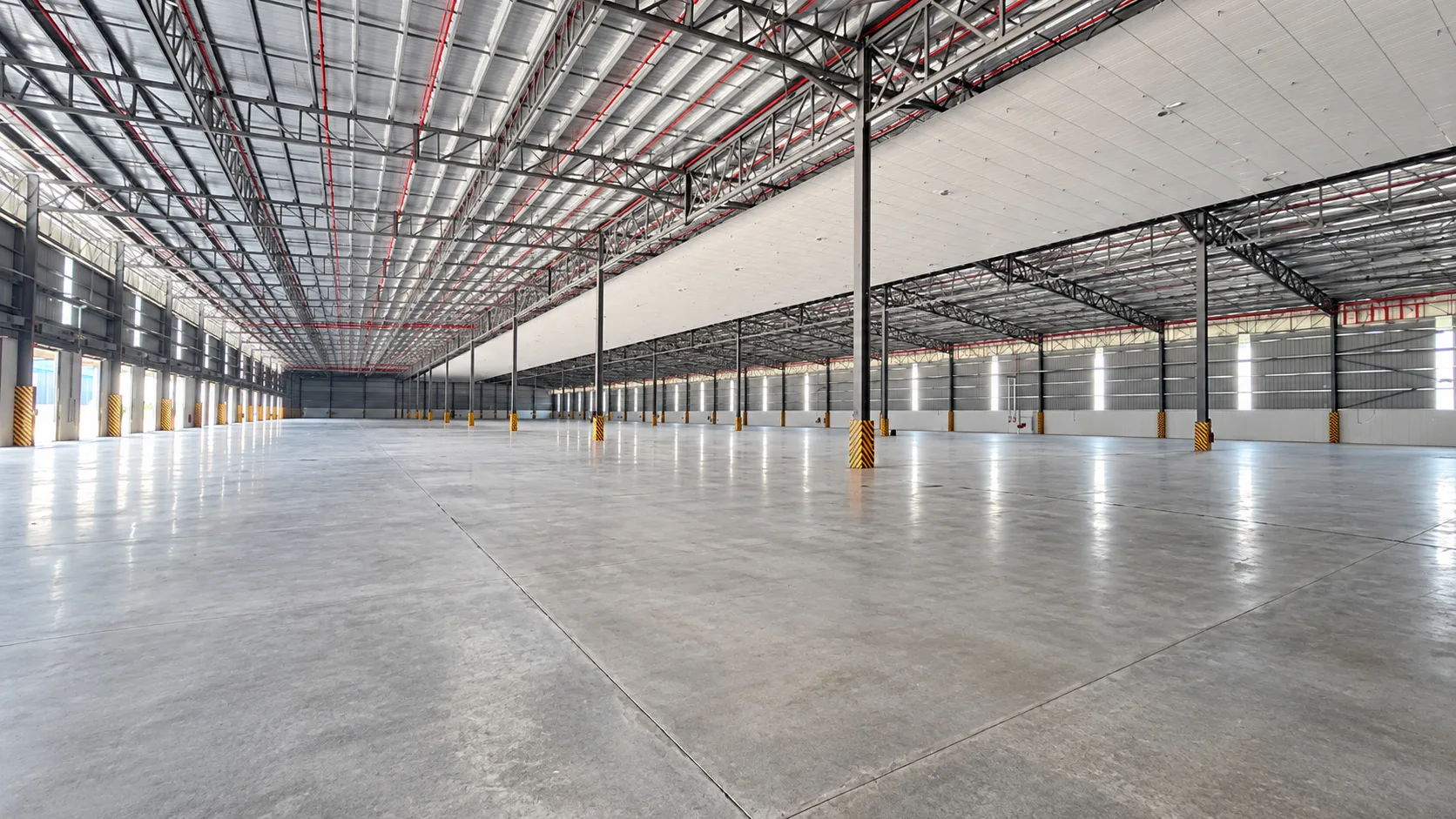
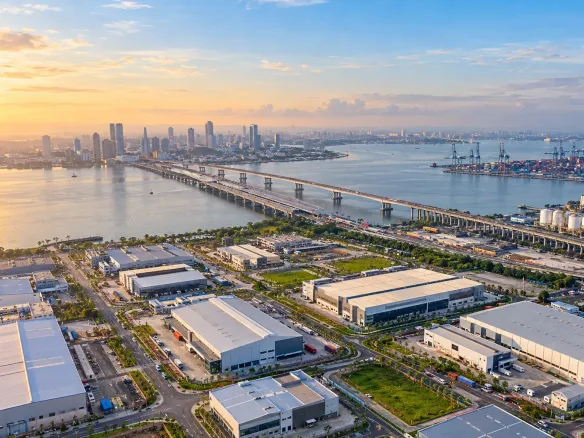
A bonded warehouse in Johor lets you store imported goods without paying import duty and tax until the goods are released into Malaysia. If the goods are re-exported, you may never pay them at all. Most bonded space in Johor is in and around the Port of Tanjung Pelepas (PTP) free zone in Iskandar Puteri, where a whole warehouse rents for about RM2.80 per sq ft per month in October 2026.
This guide explains the two kinds of bonded space, how goods move from the port to the warehouse and out again, who handles each step, and what to check before you sign a lease.
Free zone warehouse or licensed warehouse?
People say “bonded warehouse” for two different things. Both keep duty and tax suspended, but the rules are not the same.
| Free zone warehouse | Licensed (bonded) warehouse | |
|---|---|---|
| Where | Inside a gazetted free zone, such as the PTP free zone | Anywhere approved by Customs, for example Pasir Gudang or Senai |
| Law | Free Zones Act 1990 | Customs Act 1967 |
| Duty and tax | Not charged while goods stay in the zone | Suspended until each batch is released |
| Typical use | Transhipment, re-export, regional distribution | Imports that are sold in Malaysia bit by bit |
| Who controls it | The free zone authority (at PTP, Pelabuhan Tanjung Pelepas) and Customs at the exit gate | Customs, through a licence held by the operator |
A free commercial zone allows trading (but not retail), breaking bulk, grading, repacking, relabelling and transit. Manufacturing for export belongs in a free industrial zone instead. If your plan includes assembly or processing, say so before you choose a building.
How goods move: port to warehouse and out again
Here is a typical flow for a container that lands at PTP and is stored in a free zone warehouse:
- Ship arrives. The container is discharged at the PTP terminal.
- Declaration. Your customs agent submits the declaration to move the goods into the free zone. No duty is paid.
- Haulage. A haulier collects the container from the terminal and trucks it to the warehouse.
- Unstuffing and storage. The goods are unloaded, counted against the documents and stored. The empty container goes back to the shipping line’s depot.
- Value-added work. Repacking, relabelling, sorting or consolidation, if your approval covers it.
- Goods leave. Either they are re-exported (by sea from PTP, or by truck to Singapore over the Second Link), or they are released into Malaysia. Goods released into Malaysia need an import declaration (Customs Form K1), and duty and sales tax are paid at that point.
Goods moving under customs control between bonded areas, or in transit, use Customs Form K8. Every movement in and out is recorded, so your stock records must match the documents.
Who does what
The questions we hear most from tenants are: who brings the container from the port, who files the customs forms, and what services the warehouse provides. These are the parties involved:
- Customs agent (forwarder). Prepares and submits the customs declarations for each shipment, in and out. Most importers appoint a licensed customs agent rather than filing themselves.
- Haulier. Moves the container between the terminal, the warehouse and the depot. Usually arranged by the forwarder.
- Shipping line. Owns the container. Keep the free time in mind: return the empty late and you pay detention charges.
- Warehouse operator. Receives, stores, picks and dispatches the goods, and keeps the stock records Customs can inspect.
- Warehouse owner. The owners of bonded warehouses near PTP also provide these logistics services, so one party can take your container from the port, clear it through customs and store it.
The services come with the space whether you rent a whole warehouse or share one. Sharing suits smaller volumes; a whole building suits you once your goods fill it. Either way, ask for a clear list of the services included, the charges per container or per pallet, and who is responsible if a declaration is wrong or a container is returned late.
Can you run your own bonded warehouse?
A licensed warehouse needs a licence from the Royal Malaysian Customs Department. Customs guidelines, as summarised by Emerhub, set different rules for each type:
- Public bonded warehouse (stores goods for other companies): at least 30% Bumiputera equity, and paid-up capital of up to RM1 million depending on the goods.
- Private bonded warehouse (stores only your own group’s goods): lower capital, but a minimum yearly value of goods stored.
- For both: a bank guarantee or bond to cover the duty, fencing and security systems, a Certificate of Completion and Compliance (CCC) for the building, and fire approval from Bomba.
Many foreign companies therefore rent space from an operator that already holds the approval, rather than applying for their own licence. Check the current conditions with Royal Malaysian Customs before you commit, as they can change.
Bonded warehouse rent in Johor
Whole warehouses near PTP ask about RM2.80 per sq ft per month in October 2026. A 100,000 sq ft building is therefore about RM280,000 a month. Ordinary factory and warehouse space elsewhere in Johor rents for about RM2.50 per sq ft, depending on age, height and location. On top of rent, budget for the deposit (usually set by the owner), customs agent and haulage fees per container, insurance, and racking or fit-out.
Current options include a 100,000 sq ft bonded warehouse at PTP and a 250,000 sq ft bonded warehouse on 10 acres with 1,000 Amp power. See also the PTP bonded warehouse listing.
Why PTP?
The Port of Tanjung Pelepas is one of Malaysia’s main container transhipment ports, served by major shipping lines, with the free zone next to the terminal. It is close to the Second Link Expressway to Tuas, so goods can go to Singapore by truck as well as by sea. Nearby Gelang Patah has factory space, labour and services, and the area sits inside the Johor–Singapore Special Economic Zone. Read more in our guide to Iskandar Malaysia.
Checklist before you rent
- Status of the building. Is it inside the free zone, or a licensed warehouse outside it? Ask for the approval in writing.
- Your activity. Make sure storage, repacking, relabelling or distribution is allowed for your goods. Some goods, such as chemicals, need extra approval.
- Services and charges. Which services are included (haulage, customs clearance, handling) and how each is charged.
- Truck access. Room for 40 ft containers to turn, and enough loading bays.
- Floor and height. Floor loading and clear height for your racking.
- Security. Fencing, CCTV and gate control that Customs will accept.
Not bonded? See all warehouses for rent and sale in Johor, including a detached warehouse in Pasir Gudang near Johor Port and a warehouse in Kulai near Senai Airport. Our guide to Johor industrial parks compares the main areas.
👉 Tell Jimmy the space you need, your goods and where they go, and he will shortlist bonded warehouses near PTP, usually within the day.