 by
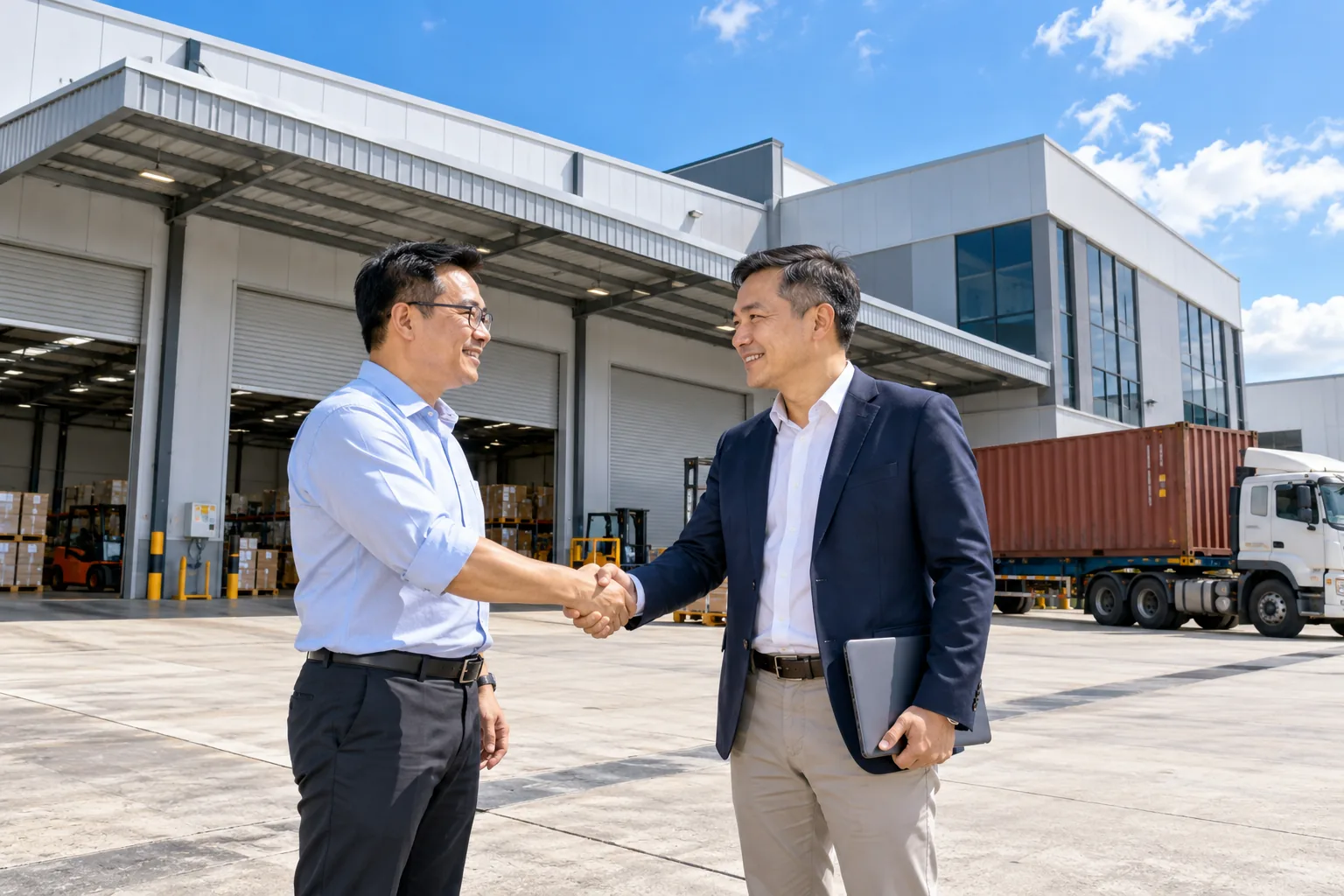
In a sale and leaseback, a company sells its factory to an investor and rents it back straight away under a long lease, so it keeps using the building while turning the property into cash. In Johor, these deals are typically priced to give the investor a gross yield of about 6–7.5%, on leases of nine years or more (often 3+3+3) with rent increases at each renewal.
This guide explains why owners do it, what a typical deal looks like, and what both sides should check.
Why factory owners sell and lease back
- Release cash for the business. The money in the building can go into machinery, a new line, working capital or paying down expensive debt.
- Stay in the same place. No move, no new licences, no disruption to staff and customers.
- Simpler balance sheet. Some companies prefer to own the business, not the property, before raising funds or selling the company.
- Sell at a better price. A factory with a long lease to a solid tenant is worth more to an investor than the same building empty.
Why investors buy them
- Rent from day one, with a tenant who has already been in the building for years.
- Long lease and set increases, often 10% at each three-year renewal.
- Little management. Many leases make the tenant responsible for maintenance, insurance and outgoings.
- Johor demand. Industrial vacancy is low, so a well-located factory is easy to re-let if the tenant leaves.
A typical deal
| Term | Typical in Johor |
|---|---|
| Price | Market value, or slightly above if the rent is strong |
| Gross yield | About 6–7.5% a year at the start |
| Lease length | 9 years or more, often 3+3+3 with options to renew |
| Rent increase | Fixed step at each renewal, often 10% |
| Outgoings | Often paid by the tenant: maintenance, insurance, sometimes quit rent and assessment |
| Deposit | Usually 3 months’ rent as security, plus 1 month utility deposit |
Example: a factory is sold for RM70 million and leased back at RM350,000 a month (RM4.2 million a year), a 6.0% yield. With 10% increases every three years, the yield on the purchase price rises to about 6.6%, 7.3% and 8.0% over the following terms. This is close to the structure of the Desa Cemerlang factories for sale on our site.
👉 A yield that is far above the market usually means the rent is too high for the tenant to sustain. Investors should check that the rent is close to what the building would let for on the open market.
Tax and costs to know
- RPGT for the seller. The gain on the sale is taxed under RPGT: 10% for a company that has owned the factory for more than five years. See RPGT when selling a factory.
- Stamp duty for the buyer on the MOT, up to 4% (flat 4% for foreign buyers). See stamp duty on a factory.
- Service tax on the rent. If the investor’s rent from non-residential property is more than RM1 million a year, it must register and charge 6%. See service tax on factory rent.
- Rent is a business expense for the tenant company, deductible for income tax.
- Registration of a long lease. A lease of more than three years may need to be registered at the land office. Foreign investors in Johor also pay the state levy on industrial property.
What investors should check
- The tenant’s finances: audited accounts, how long it has been in business, and its customers.
- Market rent: compare with factories for rent in Johor so the rent is sustainable.
- The lease: length, renewal options, increases, who pays outgoings, reinstatement at the end, and what happens if the tenant leaves early.
- The building: CCC, approvals for extensions, power supply, and its use for another tenant if the current one leaves.
- The title: tenure, land use and any restriction on sale.
What owners should check
- That the rent is affordable for the whole lease, including the increases.
- Renewal options long enough for your plans, with the right to renew written into the lease.
- Rights to expand, add machinery or make alterations.
- An option to buy back the factory, if you may want it later.
Frequently asked questions
Is sale and leaseback the same as refinancing?
No. Refinancing keeps the factory in your name and adds a loan. A sale and leaseback sells the factory, so you have no loan but you pay rent and give up the future gain on the property.
Can a foreign investor buy a factory with a tenant?
Yes, with Johor state consent and the 4% levy for industrial property. See whether foreigners can buy a factory in Johor.
Thinking about selling and leasing back your factory, or buying one with a tenant? contact Jimmy Toh to discuss the numbers.
This article is general information, not financial advice. Each bank sets its own margins, rates and conditions, and they change over time, so please get a written offer from your bank before you commit.